Font in UI Design: The Complete Guide
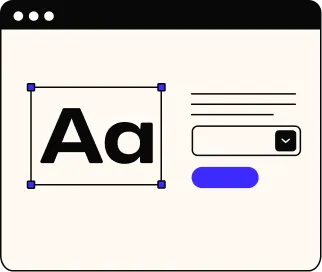
Font in UI Design: The Complete Guide In digital design, typography is more than choosing a beautiful font. The right typeface can improve readability, establish visual hierarchy, communicate personality, and make an interface easier to navigate. When used effectively, typography becomes an essential part of the overall user experience. Choosing the right font for a user interface starts with understanding the purpose of the product and its audience. Designers must consider factors such as readability, font size, weight, spacing, and contrast. While decorative fonts can add personality, simple and highly legible typefaces are often better suited for body text, buttons, menus, and other functional elements. A strong typographic hierarchy helps users understand information at a glance. Headings, subheadings, body text, labels, and buttons should have clear visual differences without making the interface feel inconsistent. Using variations in size, weight, and spacing creates structure and naturally guides users through the content. Consistency is equally important. Limiting an interface to one or two complementary font families helps create a clean and professional appearance. Establishing consistent typography styles across pages also strengthens the product’s visual identity and makes the experience more predictable for users. Responsive design should also influence typography choices. Fonts need to remain comfortable to read across desktops, tablets, and mobile devices. Testing line height, line length, spacing, and font sizes at different screen widths ensures that content remains accessible without overwhelming the interface. Ultimately, great UI typography balances aesthetics with functionality. The best font choices don’t simply make an interface look attractive—they make information clearer, interactions easier, and the entire digital experience more intuitive.
Strategy and Design for Growth 2

Strategy and Design for Growth Growth rarely happens by accident. Behind every successful business is a clear strategy, thoughtful design, and a willingness to adapt to changing customer needs. Strategy provides direction. It helps a business understand where it wants to go, who it wants to serve, and how it will compete. A strong growth strategy considers customer needs, market opportunities, competitive advantages, and the resources available to the business. Design turns that strategy into an experience customers can understand and value. From branding and communication to products, websites, and customer journeys, good design makes a business easier to recognize, trust, and engage with. When strategy and design work together, businesses can create more than attractive products or effective campaigns—they can build experiences that encourage customers to choose, return to, and recommend the brand. The key is to design for measurable outcomes. Instead of asking only, “Does this look good?”, businesses should also ask, “Does this solve a customer problem? Does it support our goals? Can we measure its impact?” Ultimately, sustainable growth comes from making deliberate choices. Strategy defines the destination, while design helps create the path. When both are aligned, businesses are better positioned to innovate, differentiate themselves, and grow with purpose.
Creative Thinking That Drives Growth

Creative Thinking That Drives Growth In a constantly evolving digital landscape, creativity is more than producing fresh ideas—it is about finding smarter ways to solve problems, connect with audiences, and create meaningful opportunities for growth. Businesses that combine creative thinking with clear strategy are better positioned to adapt, innovate, and stand out in competitive markets. Creative thinking begins with understanding challenges from different perspectives. Instead of relying on familiar solutions, brands can explore new approaches, experiment with ideas, and identify opportunities that may otherwise be overlooked. This mindset encourages innovation while helping businesses respond effectively to changing customer needs. Design, technology, and strategy all play an important role in turning creative ideas into measurable results. Whether developing a new digital experience, launching a campaign, or improving an existing product, creativity should always be connected to a clear business objective. Collaboration also strengthens the creative process. Bringing together people with different skills, experiences, and perspectives can lead to stronger ideas and more effective solutions. An environment that encourages experimentation allows teams to test concepts, learn from results, and continuously improve. Data can further guide creative decision-making. Understanding audience behavior, market trends, and performance metrics helps businesses determine which ideas are creating real impact. This balance between creativity and insight ensures that innovation contributes to meaningful and sustainable growth. Ultimately, creative thinking drives growth when imagination is supported by purpose and strategy. By challenging conventional ideas, embracing experimentation, and focusing on real customer needs, brands can create experiences that inspire audiences, strengthen their position, and unlock new possibilities for the future.
Building Brands Through Digital Strategy

Building Brands Through Digital Strategy In today’s competitive digital landscape, building a strong brand requires more than an attractive logo or a visually appealing website. Successful brands need a clear digital strategy that connects their identity, audience, content, and marketing efforts to create meaningful and consistent experiences. A strong digital strategy begins with understanding your brand’s purpose and target audience. Knowing who your customers are, what they need, and how they interact online allows businesses to make better decisions about their messaging, visual identity, and the digital platforms they use. Consistency also plays an important role in building brand recognition. From websites and social media to email campaigns and digital advertising, every touchpoint should communicate the same personality, values, and visual identity. This creates a cohesive experience that makes the brand easier to recognize and trust. Content and digital marketing help transform that identity into meaningful engagement. Valuable content, effective social media strategies, search optimization, and targeted campaigns allow brands to reach the right people while building stronger relationships with existing customers. Data should also guide the process. Tracking website activity, campaign performance, customer behavior, and engagement helps businesses understand what is working and where improvements are needed. A successful digital strategy evolves as audiences, technologies, and market trends change. Ultimately, building a brand through digital strategy means creating a connected experience across every digital channel. When strategy, design, content, and technology work together, businesses can strengthen their identity, reach their audience more effectively, and build lasting relationships that support long-term growth.
What Is the Right Design Tool to Use in 2026?

What Is the Right Design Tool to Use in 2026? Choosing the right design tool in 2026 depends on more than popularity. With so many platforms available for UI/UX design, prototyping, graphics, collaboration, and AI-assisted workflows, designers need tools that match their specific goals, skills, and project requirements. For UI and UX design, tools like Figma remain popular because they combine interface design, prototyping, collaboration, and design systems within one workspace. Other platforms provide different strengths, from advanced visual design and animation to website building and rapid prototyping. The best choice ultimately depends on the type of work you want to create. Artificial intelligence has also changed the way designers work. Modern design tools increasingly include AI features that can generate layouts, suggest content, automate repetitive tasks, and speed up the creative process. However, these features should support creativity rather than replace thoughtful design decisions and a strong understanding of user experience. Collaboration is another important factor when selecting a design tool. For teams working remotely or across different departments, real-time editing, commenting, version history, and easy developer handoff can make the design process significantly more efficient. Before choosing a platform, consider its learning curve, pricing, compatibility, available integrations, and how well it fits into your existing workflow. Beginners may benefit from simple and intuitive tools, while experienced designers may prefer platforms that offer greater customization and advanced functionality. Ultimately, there is no single perfect design tool for everyone in 2026. The right tool is the one that helps you turn ideas into functional, engaging experiences efficiently. Instead of focusing only on what is trending, choose a platform that supports your creative process and allows you to produce your best work.
Strategy and Design for Growth

Brand identity and consistency In an increasingly competitive digital landscape,brands must go beyond visuals and focus on purposeful strategy, data-driven decisions, and consistent digital experiences. A strong digital strategy aligns brand identity, user experience, and performance marketing to create long-term impact and measurable growth. At our digital agency, we help brands define their positioning, optimize digital touchpoints, and build meaningful connections with their audience through strategic design and execution. From logo usage and typography to tone of voice and digital interfaces, consistency across all platforms ensures your brand feels cohesive and professional at every touchpoint. Our approach focuses on building digital-first brand systems that translate seamlessly across websites, social media, email campaigns, and marketing materials. By maintaining a unified identity across every customer interaction, businesses can strengthen brand recognition, build trust, and create lasting relationships with their audience. Ultimately, consistency is what transforms a brand from being simply recognizable into one that customers remember, value, and recommend.